

 Simiron
Prep
Grind to the profile your coating asks for.
A planetary grinder, an extractor matched to it and diamond tooling picked for your concrete, set up at the Tracy bench for Lodi crews and serious DIY pros. Tell us which system is going down and what the slab looks like today, and the machine leaves ready to cut toward that target.
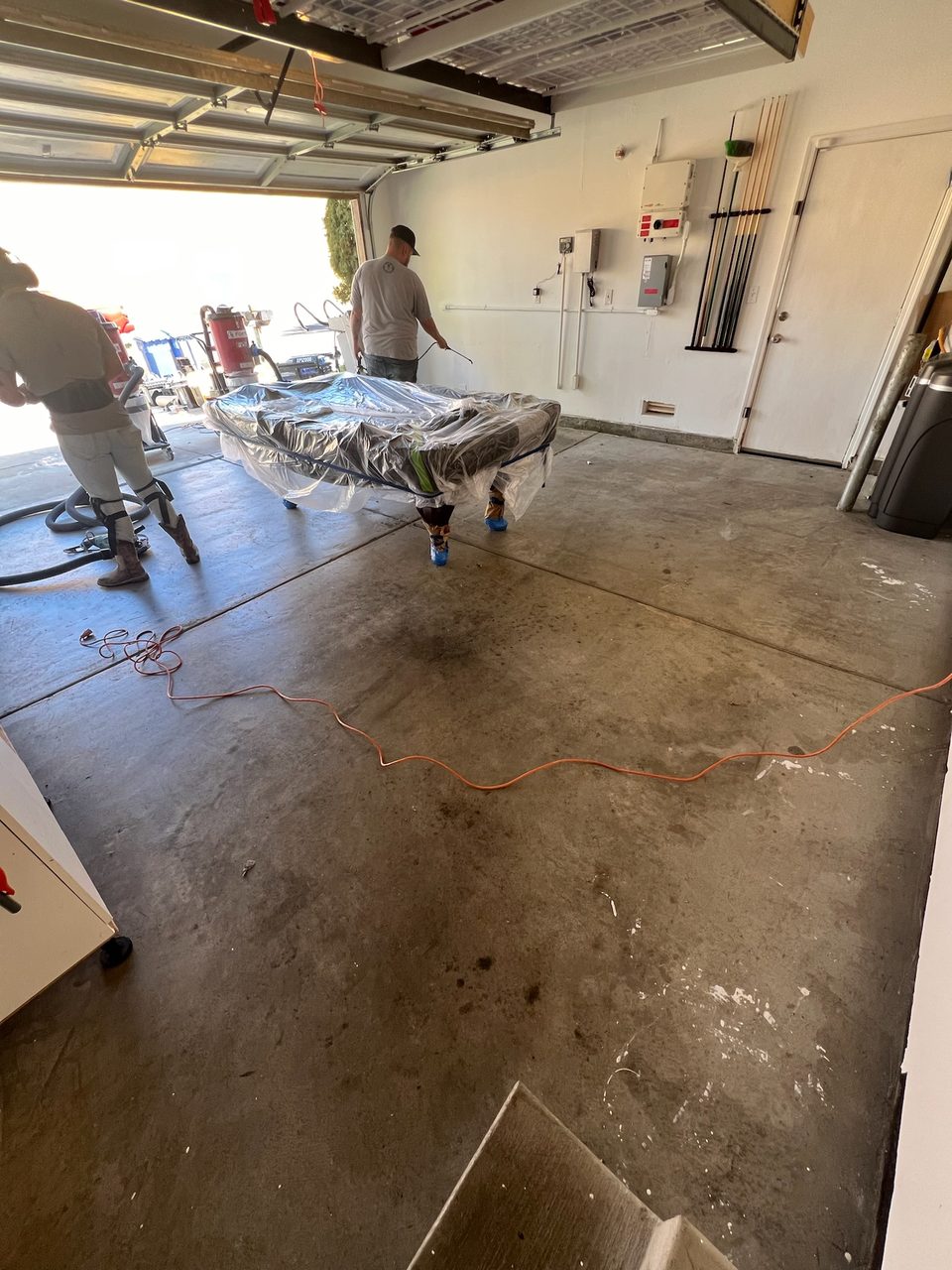
Each system wants a different amount of tooth.
Profile is the texture the grinder leaves behind, and it is what a coating grabs onto. Too smooth and the primer sits on top with nothing to key into. Too rough and a thin coat cannot fill the valleys, so the peaks print through and soak up material you already paid for.
Clear sealers and light film coatings want the gentlest profile. Epoxy build coats and flake systems want a little more, enough that the pores are open everywhere. Quartz broadcasts and thicker trowel-down systems can take a heavier grind, because the material has the body to fill it. The data sheet for the exact product you bought is the final word, so keep it on your phone while you work.
Bring a set of CSP reference chips to the job and hold them against the floor before you call the grind finished. If you are putting down one of our systems and cannot find the target on the sheet, call the bench and we will read it off for you.
The data sheet sets the profile. The grinder just gets you there.
From the catalog
On the shelf for this job
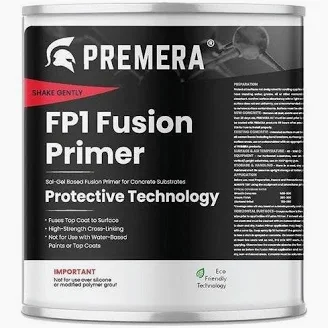

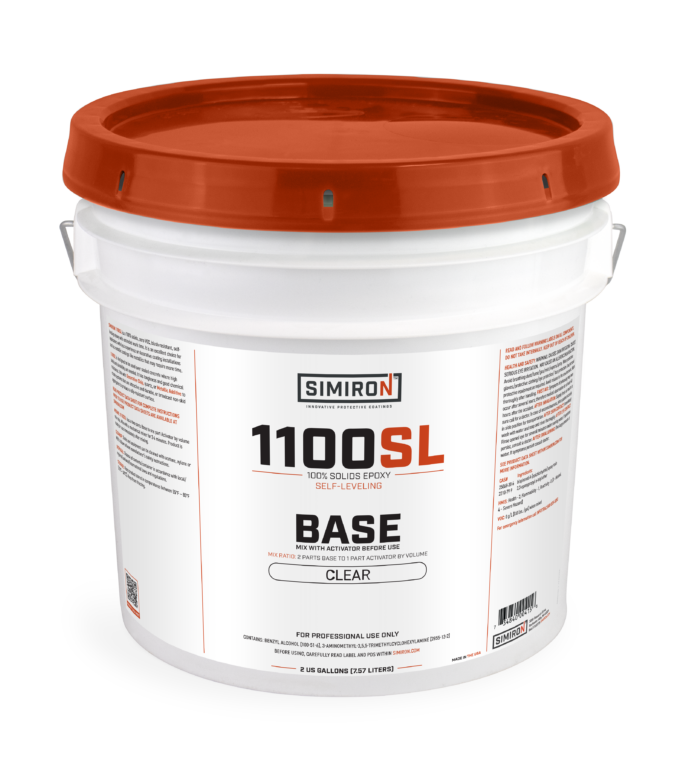
Cup wheels, metal bond segments and how hard the slab is.
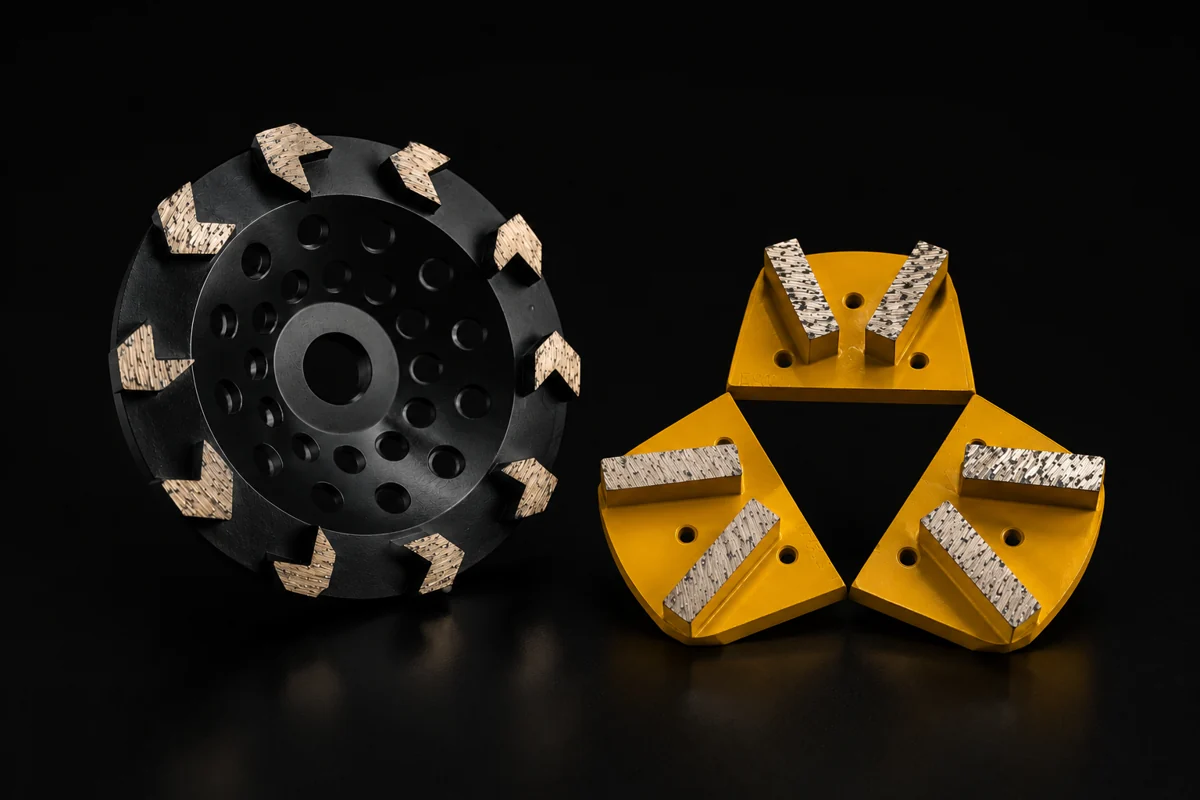
Two kinds of tooling do most of the work. Metal bond segments mount on the planetary heads and handle the open floor. A cup wheel runs on a hand grinder for the strip along the walls, around posts and into corners the big machine cannot reach. Arrow shaped segments bite aggressively, which helps when something has to come off the concrete.
The right bond depends on how dense the slab is. A slick, power troweled floor wears diamonds slowly and can glaze them over, while a soft, dusty one eats through segments fast. Water drops tell you something too: if they bead up and sit, the surface is tight, and if they darken the concrete right away, it is open.
Match the extractor to the machine and keep the air moving.
The extractor protects your lungs and your bond at the same time. An undersized unit or a choked filter leaves fine dust in the air and on the floor, and both cause trouble later.
Size it to the grinder
A bigger planetary machine throws more dust than a small unit can pull. We pair the extractor to the grinder at the bench so the airflow keeps pace with what the heads are cutting.
Ask about the filter stage
Crystalline silica is fine enough to slip through ordinary filters, and a HEPA stage is what stops it. Ask which filters are fitted on the unit you take, and keep them seated properly.
Watch the floor behind the shroud
A gray film trailing the machine means suction has dropped. Empty or pulse the filter right then, well before the canister looks full.
Keep the hose short and straight
Every extra length and kink costs airflow. Run the hose clear of the machine’s path, and wear a fitted respirator even with extraction running.
Plan the pickup and the return day together.
Lodi sits about 33 road miles from our Tracy bench. That is an easy run, but it is still a drive you do not want to make twice because the diamonds were wrong or the extractor hose stayed behind. Give us the slab details ahead of time so the grinder, extractor, hoses and tooling are staged together when you pull in.
Bring a truck or trailer with a ramp, tie-down straps and a second person, since a planetary grinder is heavy and awkward to load alone. Plenty of crews grab the coating on the same trip, which saves a separate drive for material.
Book the return after the grind is truly done, edges and repairs included. Walls, posts and patched cracks take longer than the open floor, and a rushed last hour shows up later in the coating. If the job runs long, call (209) 208-4656 before the return day comes.
Old sealer and adhesive come up before anything new goes on.
Plenty of slabs arrive with a history on them. An acrylic sealer gone cloudy, carpet glue from an old office, or peeling garage paint all have to go, because a new system only bonds as well as the layer under it.
Sealers are sneaky. Many soften from the heat of grinding and smear across the diamonds instead of cutting away, so removal tooling and slower passes work better than leaning on the machine. Soft glues behave the same way. Scrape off what you can by hand first, and empty the extractor often, because gummy dust clogs it quickly.
Anything black and tarry left from old floor tile should be tested for asbestos before it is disturbed. Thin, well bonded coatings can sometimes be ground and coated over; loose or flaking ones come off down to bare concrete. Scrapers, crack filler and edge tooling are on the tooling and prep shelf and can ride out with the grinder.
A new coat bonds to whatever is under it, old sealer included.
Sometimes the better rental is a prep crew.
We rent grinders, and we will still tell you when a job belongs with a crew that does surface prep all week. A big commercial floor on a tight schedule, several stacked layers of old coating, or your first time behind a planetary machine are all good reasons to hire the grind out and spend your own hours on the coating.
Whoever does the grinding, the material still has to be right. We supply prep crews and installers alike, so the epoxy systems, polyaspartic coatings, decorative flake or metallic flooring for a Lodi job can sit on one order either way.
Lodi slab prep and the order that follows it.
Lodi is one of the San Joaquin County markets we supply, and most material orders leave the bench the same week. Contractors who rent often and order regularly can talk to us about terms.
Machine details are on the concrete grinder rental page, and the floors we test on are written up at the field test bench. The Lodi supply page covers the rest of the shelf, the catalog lists diamonds and consumables, and the wider county begins at San Joaquin County.
Questions before a Lodi grind.
What profile should I grind to for a flake system?
Most flake systems want an open, even profile in the middle of the CSP range, rougher than a clear sealer and gentler than a heavy quartz build. The data sheet for your base coat names the exact target. Compare the floor against CSP chips before you call the grind done.
Which diamonds go out with the grinder?
That depends on your slab. Give us the age of the concrete, whether it has a shine, and what is stuck to it, and we will send metal bond segments for the heads plus a cup wheel for the edges. Call right away if the first pass glazes or wears tooling fast.
Can I skip the extractor on a one-car garage?
No. An enclosed garage fills with dust faster than any other space, and that dust carries silica. An extractor goes out with every grinder for that reason. Keep the shroud on the floor, empty the filter before suction drops, and wear a fitted respirator the whole time the machine runs.
How should I plan the pickup and return from Lodi?
Send the slab details early so everything is staged, then bring a truck or trailer, straps and a second person to load. The bench is about 33 road miles from Lodi. Set the return after the edges and repairs are finished, and call early if the job runs long.
Will a grinder take off an old sealer?
Usually, with removal tooling and patience. Many sealers soften from grinding heat and smear, so slower passes beat pushing harder, and the extractor needs emptying often. Thin coatings that are firmly bonded can sometimes stay. Describe the floor when you call and we will set up the tooling for it.
When should I hire a prep crew instead of renting?
Hire it out for large commercial floors on a tight schedule, several layers of old coating, or your first time behind a planetary machine. Mastic that tests positive for asbestos goes to a licensed abatement contractor. We still supply the coating to whichever crew you use, prep outfits and installers alike.
Get in touch
Tell us what you're pouring.
Anything from one bucket to a standing wholesale account, pickup or freight, or a seat in training. A person who has poured this material reads every message.
- (209) 208-4656
- chris@exclusiveresinsupply.com
- 392 W Larch Rd, Suite 11, Tracy, CA 95304
Lodi floor that needs a grind first?
Phone Chris with the size of the floor and the system you plan to use. He will match the diamonds and have the rental waiting at the bench.

Need it installed?
Our sister company, Exclusive Resins, installs epoxy, flake and metallic floors across the Central Valley, out of the same Tracy building.