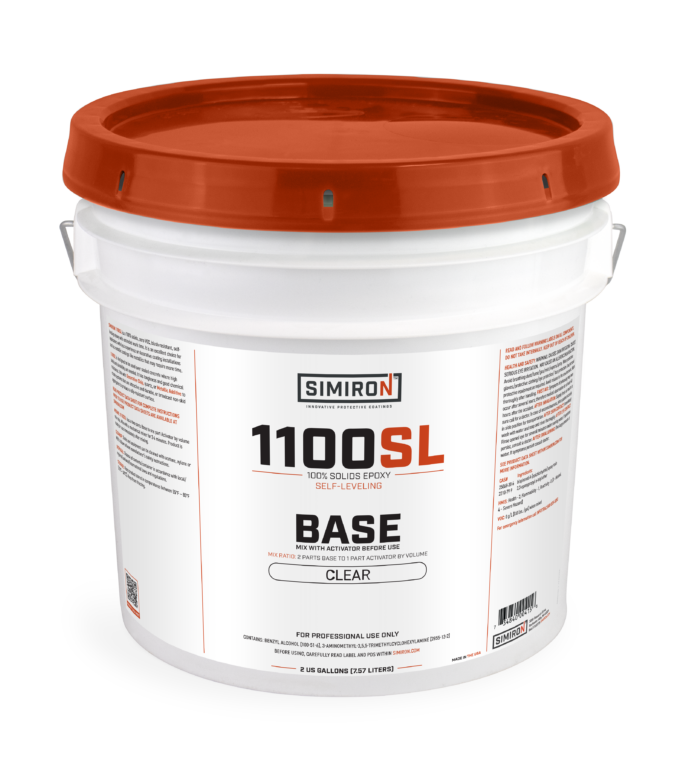

Out past the almond orchards around Ripon, plenty of shop floors spend their working lives wet. Sprayers and trailers roll in caked with orchard dirt, somebody drags a hose across the slab, and water runs toward a center drain for most of the season. A smooth coating does not last long in that room. A quartz broadcast floor can, as long as it gets built the way the system was designed to go down. Here is how we talk installers through a wash bay, from the first throw of sand to the final seal coat.
What a wash bay does to a thin coating
Picture the traffic first. Implement stands and steel tracks get set down hard. Grit rides in on every tire and works like sandpaper under the next one. Water pools in the low spots, and somebody is always pushing mud toward the drain with real pressure behind the nozzle.
A thin film coat in that room wears through along the traffic lanes and around the drain first. Then it starts lifting at the edges, where water gets underneath and keeps working. Flake systems hold up better than a plain roll coat, but the chips still sit in a fairly thin layer, and daily wash-down keeps chewing at it.
Double-broadcast quartz answers the problem by building thickness into the floor itself. Each lift locks graded, kiln-dried sand into a resin body, and the second lift does it again on top of the first. What you end up with is thick, textured and slip-resistant, the same kind of surface that commercial kitchens, breweries and food plants rely on for the same reasons a farm shop needs it. The owner says it plainly: build the thickness into the floor, not onto it.
Two broadcasts, both to refusal
A proper quartz system usually takes two broadcast coats, and each one goes to refusal. You keep throwing quartz into the wet broadcast epoxy base until the surface will not take any more and no resin shows through. Dry sand sitting on top everywhere is the sign you threw enough.
Stopping short is the classic first-timer mistake. Thin spots cure as smooth, glossy patches in the middle of a textured floor, and in a wash bay those patches turn slick the moment a hose hits them. Throw heavy, throw even, and walk the room in spikes so you are not chasing bare spots after the base starts to set.
Kiln-dried quartz matters more than it sounds. Damp sand clumps, lands unevenly and causes bond trouble you do not want. Graded quartz out of a dry bag spreads cleanly from the hand and goes where you aimed it.
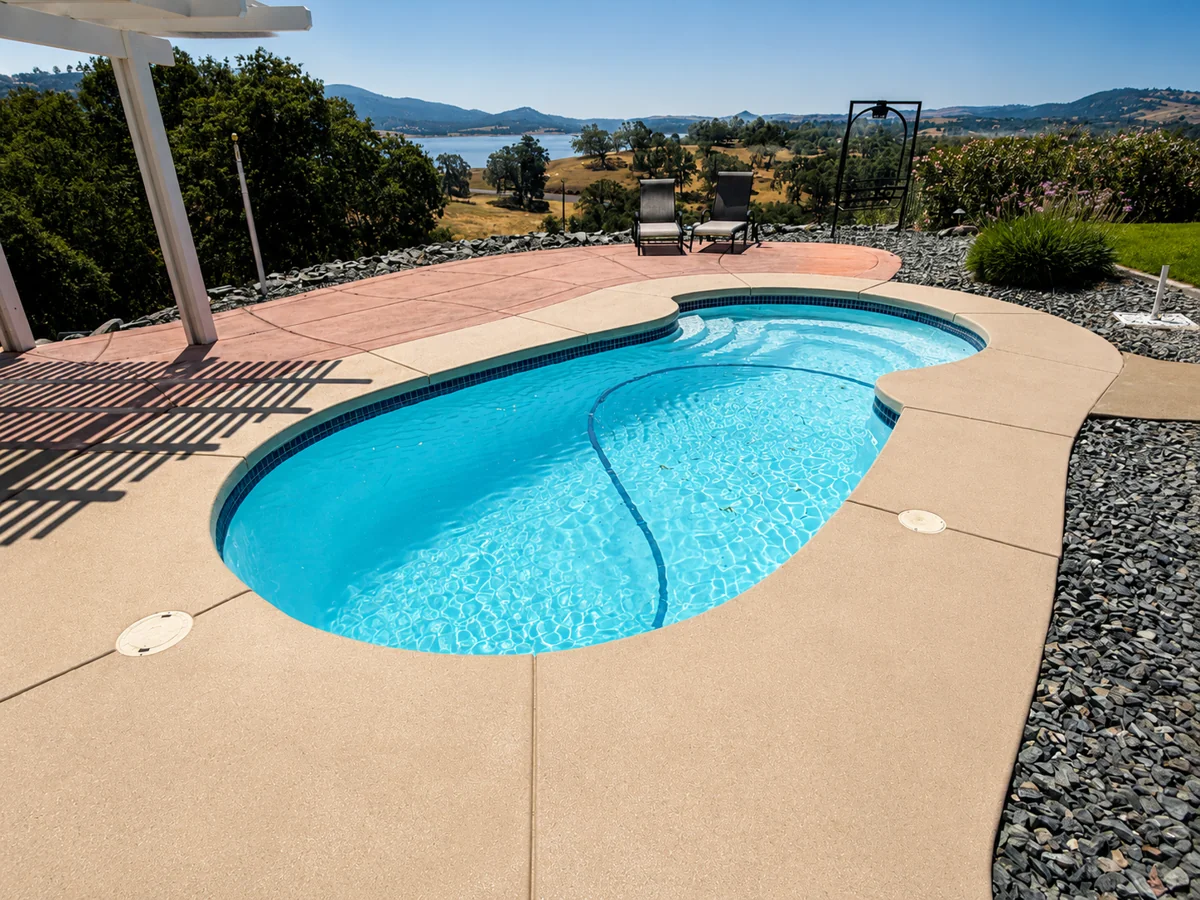
Once the first lift cures, sweep and vacuum off the loose sand, knock down anything standing proud, then lay the second base and broadcast it the same way. The same two-lift build works outdoors as well, like the deck below.
The grout coat sets the texture underfoot
After the second broadcast is cleaned up, the grout coat goes on. It fills the gaps between grains and locks the quartz tight, and it is the step where you decide how aggressive the floor feels under a rubber boot.
A lighter grout coat leaves more of the grain standing up. That reads as more grip, which suits the area right around the drain where a hose is running and somebody is walking through standing water. A heavier grout coat fills deeper and leaves a tighter, smoother texture that is easier to squeegee and rinse clean. Neither choice is wrong. A wash bay usually wants the grippier side, while a dry equipment room in the same building might want the cleaner one.
The seal coat goes over the grout and finishes the system. Talk with us before you settle quantities for either coat, because the texture you are after changes how much the floor drinks. A rough, open surface takes noticeably more grout than a tight one, and running short halfway across a bay leaves a line you will be looking at for years.
Carrying the floor up the wall
Water does not stop at the floor line. In a bay that gets hosed every day, the bottom of every wall gets splashed and soaked, and the joint where slab meets wall is exactly where water finds its way under a coating.
Cove base handles that by running the system up the wall with a curved transition in the corner. There is no hard joint for water to sit in and no seam to peel back, and mud has no square corner to pack into, so the room hoses clean faster.
Plan the cove before the first broadcast goes down. It changes the order of work and it adds material, so count it in the same order as the floor rather than finding out on install day.
Give the drain the same care. Detail the edge around the drain body slowly, because it is the wettest spot in the room and the first place a lifted edge shows up. And if the bay slab is old or sits on grade with no vapor retarder under it, test for moisture before anything else. Quartz is the most material-heavy system we sell, and a wet slab will push it loose as readily as it would a thin coat.
Measuring the bay before you call
Quantities are where quartz jobs go sideways, because the system has more layers than most installers are used to counting. Before you pick up the phone, measure the floor area and the linear feet of wall that will get cove.
Tell us whether the room is a true wash-down space or a dry equipment room that only ever sees a mop, since that decides the texture and the grout. Tell us what the slab looks like today: bare, previously coated, cracked or oil soaked. And tell us whether anyone has tested it for moisture.
With those answers we can put the broadcast epoxy base, the quartz, the grout coat and the seal coat together as one order, so every layer is meant for the one beneath it. The full rundown on the system and what ships with it lives on our quartz broadcast page for Ripon. Ripon is about 18 road miles from the Tracy bench, so if you would rather drive than wait on freight, reach out first and we will have the whole stack staged and ready when you pull in.
Wash bay questions from Ripon crews
Do I need colored quartz to get a colored floor?
Usually not. Most quartz floors get their color from a pigmented base coat with clean graded quartz broadcast into it, and the grout and seal coats carry that look through to the surface. Colored quartz is an option on some jobs, but for a working wash bay the pigmented base is the simpler route. Tell us the look and we will spec which way to go.
Should a wash bay floor get a moisture barrier underneath?
Often, yes. A moisture barrier is one of the pairings we treat as critical under wet-area quartz, and older shop slabs in farm country often went down without a vapor retarder. Test the slab first. If the reading calls for it, the barrier primer goes down before the first broadcast, and the rest of the quartz system builds right on top of it.
Can the same system go outside on a patio or pool deck?
It can, with one change at the top. Out in full Central Valley sun, the finish coat needs to be a UV-stable topcoat so the clear holds its color instead of going amber. The quartz buildup underneath stays the same, two broadcasts and a grout coat. Call with the square footage and we will match the topcoat to the rest of the order.
A wash bay floor gets judged every day by mud, water and steel, and a thick, well-sealed quartz floor passes that test. Send the bay dimensions through our contact page, or call the owner at (209) 208-4656 and we will build the quartz stack with you.